1. Stop 1: President James Buchanan’s Wheatland
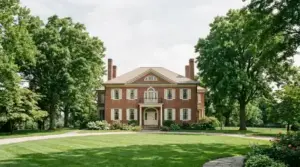
Begin your morning on the leafy western edge of town at Wheatland, the grand Federal-style mansion that served as the home and political headquarters of James Buchanan, the 15th President of the United States. Nestled on ten acres of preserved grounds, the estate offers a glimpse into 19th-century presidential history and antebellum American life.
Buchanan purchased the estate in 1848, using its comfortable parlors to launch his successful 1856 presidential campaign. As you stroll through the manicured gardens and admire the restored brick architecture, you step back into an era when national political strategy was drafted right here in Lancaster County. Guides in period attire lead interior tours, showcasing original furnishings and personal artifacts from Buchanan’s presidency.
2. Stop 2: Strolling West King Street and Historic Row Houses
Leaving Wheatland behind, head east along West King Street toward the urban heart of Lancaster. This pleasant stretch serves as a visual bridge connecting 19th-century suburban estates to the dense architectural fabric of early downtown.
Along the way, pay close attention to the streetscapes. You will pass rows of classic Victorian townhomes, Federal-style residences, and adaptive-reuse warehouses featuring decorative brickwork, original iron handrails, and restored wooden shutters. These streets reflect Lancaster’s golden age as an industrial and manufacturing powerhouse during the late 19th and early 20th centuries.
3. Stop 3: Penn Square and the Soldiers & Sailors Monument
Arriving at the intersection of King and Queen Streets, you reach Penn Square—the geographic and historical heart of Lancaster since its founding in 1730. Originally laid out by town founder Andrew Hamilton, this central plaza has witnessed speeches by founding fathers, colonial market days, and pivotal moments in Pennsylvania history.
Standing tall at the center of the square is the impressive 43-foot Soldiers & Sailors Monument, dedicated in 1874 to honor the local Union soldiers who fought during the Civil War. The statue of Genius of Liberty atop the monument points north, surrounded by allegorical figures representing the infantry, cavalry, artillery, and navy. Surrounding the square, beautifully preserved bank buildings and hotel facades now house modern boutiques, galleries, and cafes.
To learn more about local historic preservation efforts, walking tour schedules, and archival collections, visit the LancasterHistory Research Center & Museum.
4. Stop 4: Lancaster Central Market
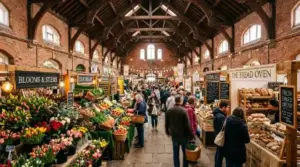
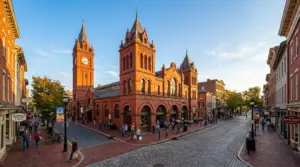
Just steps off Penn Square sits the undisputed crown jewel of downtown Lancaster: the Lancaster Central Market. Housed in a striking 1889 Romanesque Revival brick building designed by architect James H. Warner, Central Market is the oldest continuously operated public farmers’ market in the United States, with vendor roots dating back to 1730.
Step inside beneath the soaring timber roof trusses to experience a sensory celebration of Lancaster County’s rich agricultural heritage. Over 60 local vendors fill the aisles, offering:
- Pennsylvania Dutch Classics: Traditional chow-chow, shoofly pie, smoked meats, fresh pretzels, and artisan cheeses.
- Global Culinary Treats: Empanadas, falafel, authentic stroopwafels, and craft coffee blends.
- Local Produce & Flowers: Farm-fresh seasonal vegetables, organic meats, and vibrant flower arrangements straight from nearby family farms.
The market is open Tuesdays, Fridays, and Saturdays, making it the ultimate lunch stop on your historic exploration.
5. Stop 5: Historic Alleys and Gallery Row
Conclude your walking tour by taking a leisurely stroll north along Prince Street, affectionately known as Gallery Row. Here, historic 18th- and 19th-century commercial buildings have been transformed into contemporary art galleries, vintage shops, and artisanal bakeries.
Be sure to duck into the quiet brick alleyways like Sugar Alley and Christian Street. These narrow side streets retain early cobblestone gutters, gaslamp-style streetlights, and tiny brick cottages that once housed early German and Swiss immigrant artisans. It is a peaceful contrast that highlights how Lancaster preserves its foundational history while fostering a creative community for the future.