The Legacy of The BLVD Transformation
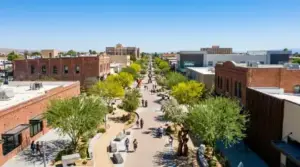
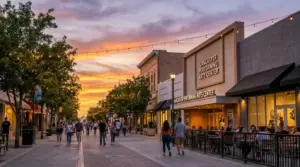
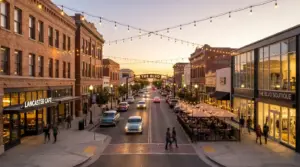
To understand where Lancaster is heading, it is essential to look at how far the downtown corridor has come. In the late 2000s, city planners partnered with urban design experts to reimagine Lancaster Boulevard. The goal was simple yet ambitious: convert a car-centric thoroughfare into a walkable, multi-functional community gathering space.
The resulting streetscape featured a 30-foot-wide central “ramblas”—a flexible median inspired by European boulevards that accommodates farmers’ markets, seasonal festivals, and everyday diagonal parking. The impact was immediate. Slower traffic speeds, enhanced pedestrian safety, and improved storefront access catalyzed millions of dollars in private investment, creating over a thousand jobs and bringing dozens of new shops, restaurants, and cultural venues to the city center.
For detailed urban design case studies and architectural insights into main street transformations, explore resources compiled by the Congress for the New Urbanism.
Key Pillars of Lancaster’s Next Phase of Community Growth
As the city looks to the future, civic leaders are expanding revitalization concepts beyond the immediate nine-block core of The BLVD into broader neighborhood and infrastructure networks.
1. Mixed-Use Housing & Transit-Oriented Development
A critical component of long-term downtown vitality is density. Recent municipal plans and commercial proposals emphasize mixed-use housing developments that combine ground-floor retail with multi-family residential apartments. By increasing the number of residents living within walking distance of retail corridors and transit hubs, the city aims to create a self-sustaining local economy that supports small business owners year-round.
2. Clean Energy & Sustainable Infrastructure
Lancaster has earned international recognition for its goal of becoming a net-zero energy city. This commitment extends directly into downtown public infrastructure. From solar-powered street lighting and electric vehicle charging stations to smart grid integration across civic buildings, green technology continues to power local growth. To learn more about municipal sustainability initiatives and statewide environmental benchmarks, visit the State of California Official Portal.
3. Expanding Multimodal Trails & Public Spaces
Connecting downtown to surrounding residential neighborhoods is a major priority. Projects like the Amargosa Creek Recreational Trail are creating dedicated bike lanes, walking paths, and public art installations along key corridors like Sierra Highway and State Route 14. These greenway connections ensure that pedestrian accessibility is not confined to downtown, but extends throughout the broader high desert landscape.
Arts, Culture, and Local Business Support
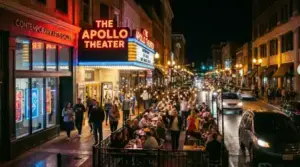
Physical infrastructure provides the foundation, but arts and community programming give downtown Lancaster its soul. The BLVD serves as home to the Lancaster Museum of Art and History (MOAH), historic performance venues, and an ever-growing collection of public murals painted by international and local artists.
Furthermore, local events—such as the annual California Poppy Festival, street fairs, holiday parades, and weekly farmers’ markets—draw tens of thousands of visitors downtown every year. This consistent foot traffic provides vital support for independent boutique owners, craft breweries, and family-owned restaurants that call downtown Lancaster home. For official city schedules, public notices, and municipal department contacts, check out the City of Lancaster website.
Challenges and Opportunities Ahead
While the revitalization of downtown Lancaster stands as a major success story, continued growth brings ongoing challenges that city leaders and residents must navigate together:
- Housing Affordability: Balancing market-rate residential development with high-quality affordable housing options for long-time residents and seniors.
- Commercial Retention: Supporting small businesses through economic shifts by maintaining active foot traffic and community incentives.
- Pedestrian Safety & Parking Balance: Managing traffic flow along intersecting avenues while maintaining safe, walkable spaces for families and visitors.
Final Thoughts
Lancaster’s downtown core is a prime example of how thoughtful planning and community investment can breathe new life into a high desert city. As new development projects unfold, The BLVD remains the vibrant focal point of local culture, dining, and civic pride. Whether you are a long-time resident or a newcomer exploring the Antelope Valley, downtown Lancaster offers a dynamic glimpse into the future of community-driven growth.